BioEcoUVa’s MISSION is to contribute to the development of a society based on sustainable, circular and bioeconomy-based production.
r&d+i in bioeconomy to create
a better world
BioEcoUVa news
News
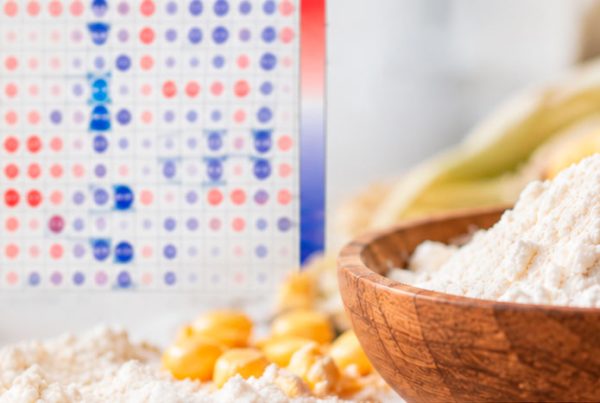
Molecular insights into the microwave modification of starch functionality
You can view news for each Research Group by clicking on the following links.
Events
September 2026 |
||||||
|---|---|---|---|---|---|---|
| Mon | Tue | Wed | Thu | Fri | Sat | Sun |
|
1
|
2
|
3
|
4
|
5
|
6
|
|
|
7
|
8
|
9
|
10
|
11
|
12
|
13
|
|
14
|
15
|
16
|
17
|
18
|
19
|
20
|
|
21
|
22
|
23
|
24
|
25
|
26
|
27
|
|
28
|
29
|
30
|
||||
BioEcoUVa
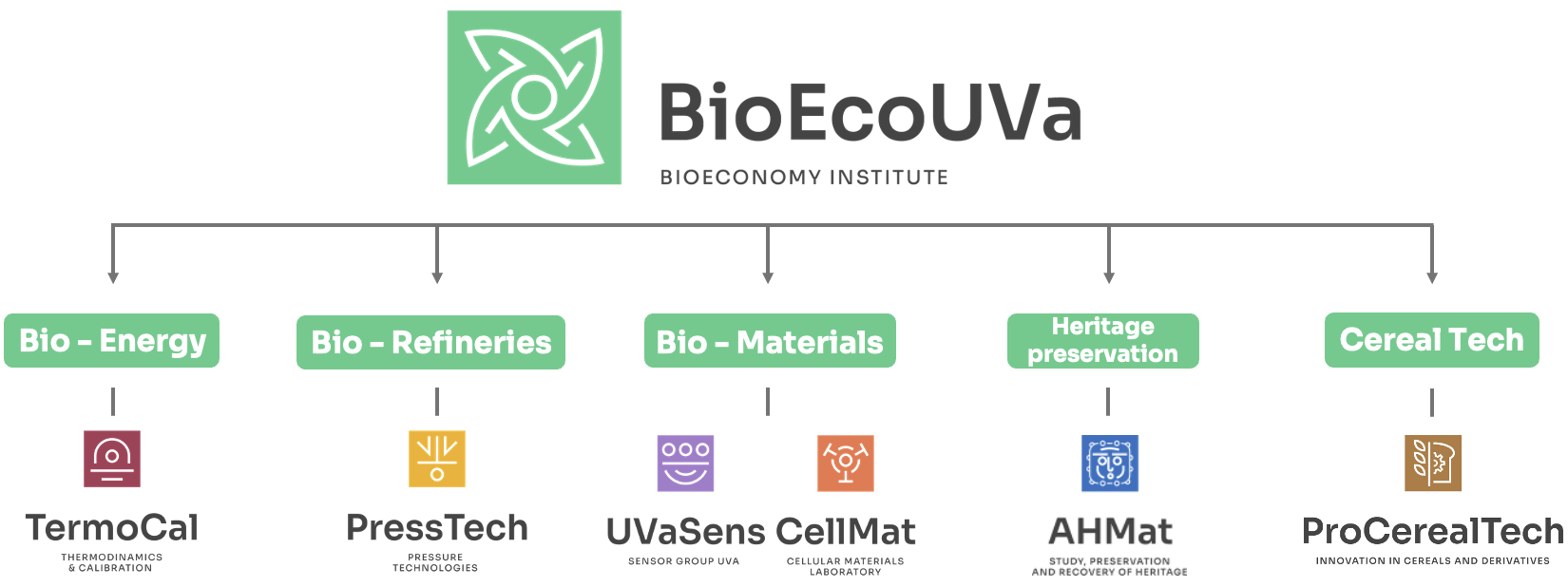
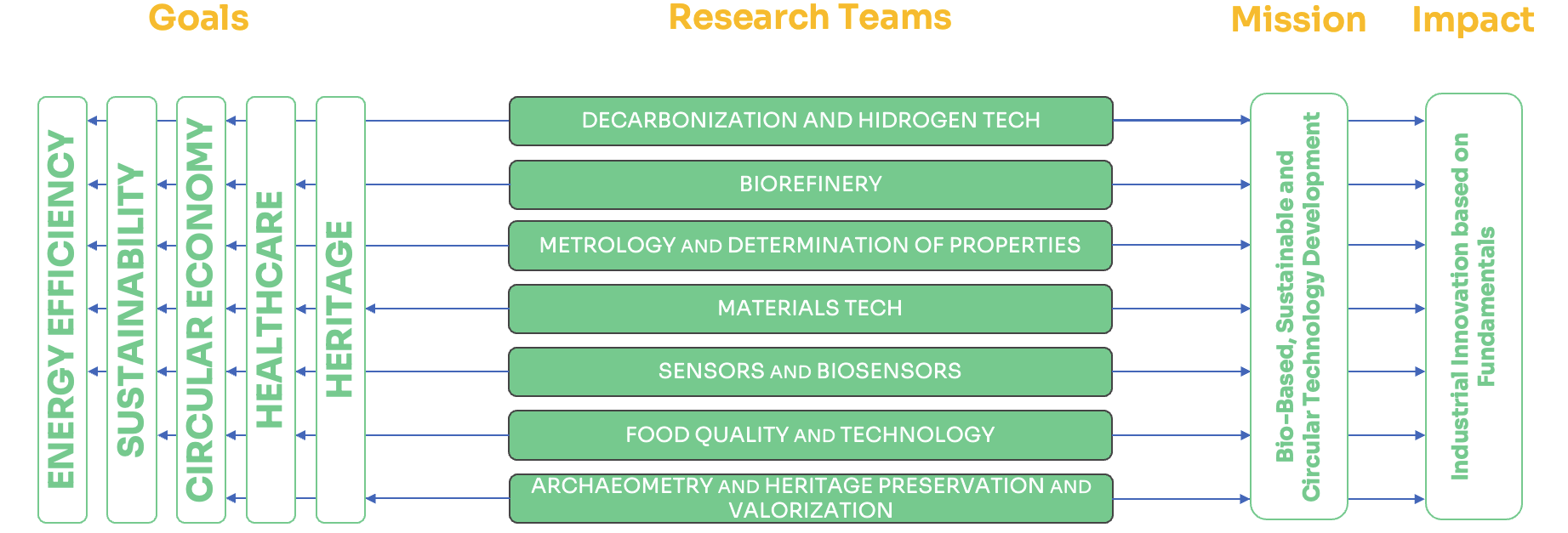
The Bioeconomy Research Institute of the University of Valladolid (BioEcoUVa) was approved by the JCYL on June 7, 2018. The institute brings together several research groups dedicated to different areas: Pressure Technologies (PressTech), the Laboratory of Thermodynamics and Calibration in Pressure and Temperature (TermoCal), the Materials Physics and Chemistry group (UVaSens-CellMat) and the Process Design and Improvement Group (DIMEPRO). In 2023, the ProCerealTech (Innovation in cereals and derivatives) and AHMat (Study, Preservation and Recovery of heritage) groups joined the institute.
Together, these teams work to promote the bioeconomy, bringing a wealth of expertise and fostering multidisciplinarity. Their collaboration amplifies our impact on society and sparks a flurry of innovative ideas and proposals, all aimed at propelling us towards greater success.
BEFORE CONTINUING
What is bioeconomy?
Bioeconomy refers to the transformation of biomass into a wide range of food, health products, fibers, industrial products and energy. The term renewable biomass includes all biological material (agricultural, forestry and animal) considered as a product with value in itself or to be used as a raw material in other processes.
Strategy
The strategic objectives of BioEcoUVa are to develop innovative, integrated and sustainable processes for the use and valorization of biomass, promoting and encouraging:
- Multidisciplinary, innovation-driven research
- Internationalization
- Knowledge and technology transfer to the productive sector.
- Training and contribution to the development of an innovative scientific and technological culture in society.
BioEcoUVa activities respond to the challenges set out in the European Bioeconomy Strategy, the Spanish Bioeconomy Strategy, and the RIS3 in priority 1: Agrifood and natural resources as catalysts for the extension of innovation over the territory, and the UVa’s priority research lines on “renewable energies and sustainability” and “industrial technologies and processes”.
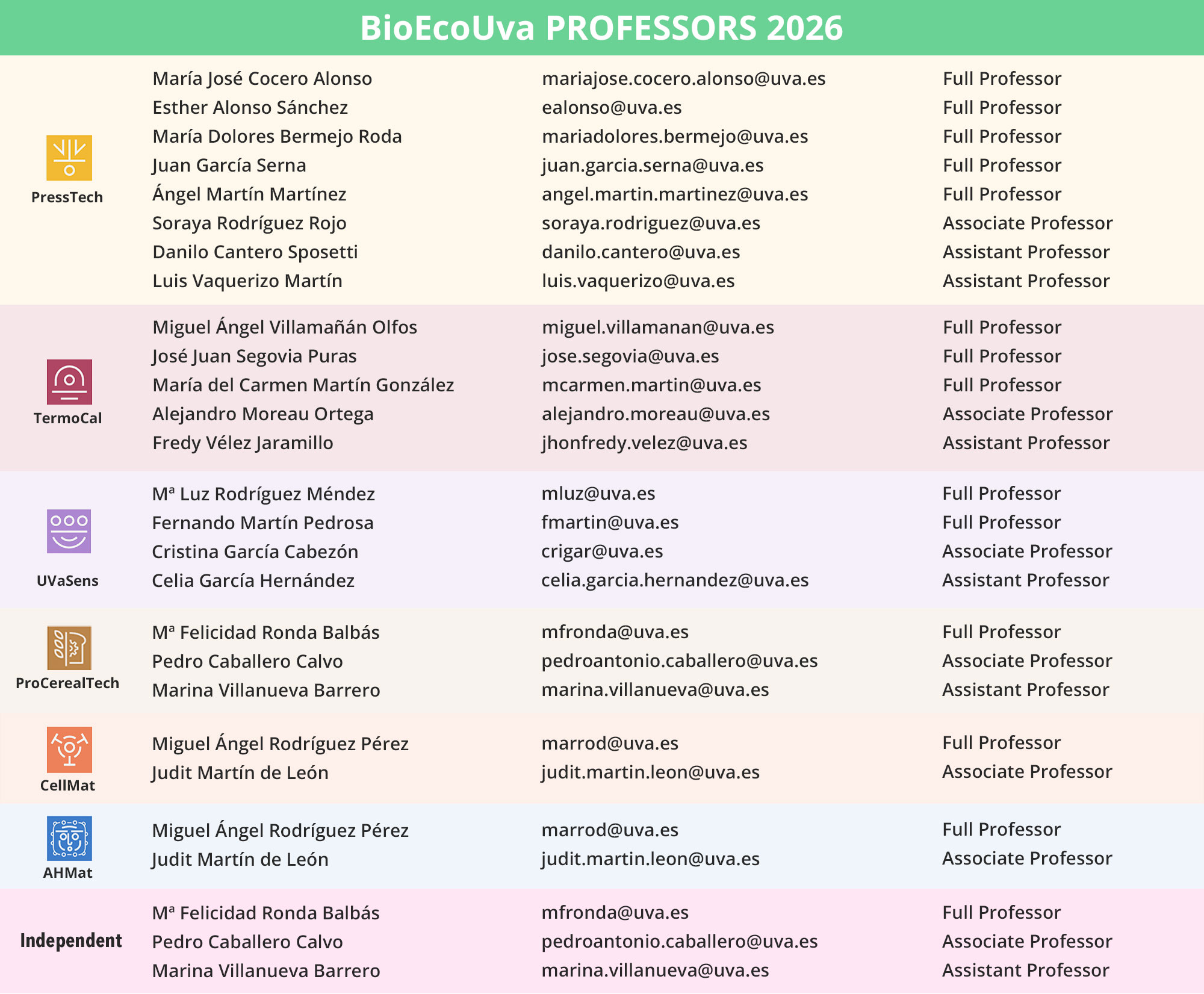
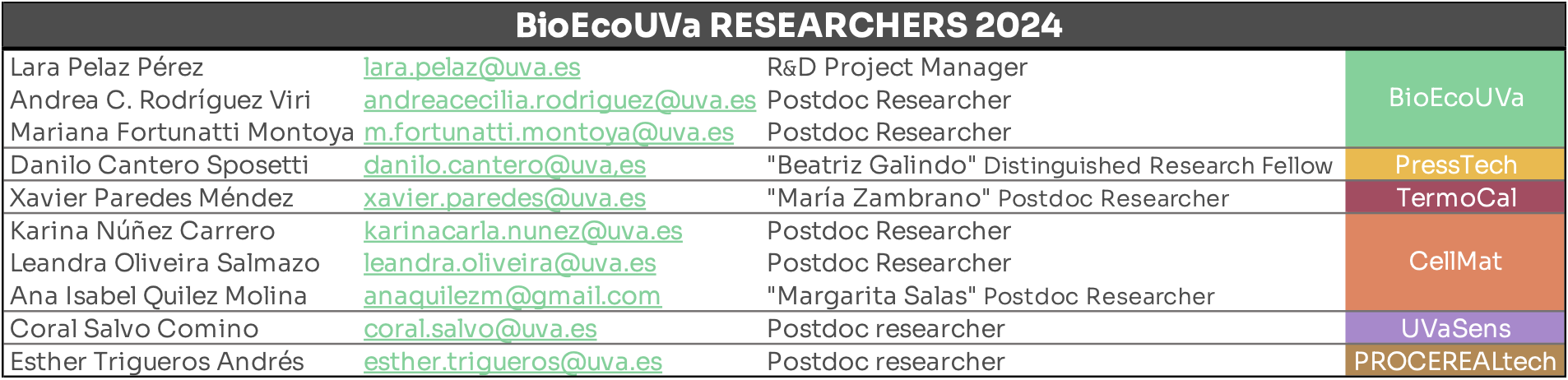
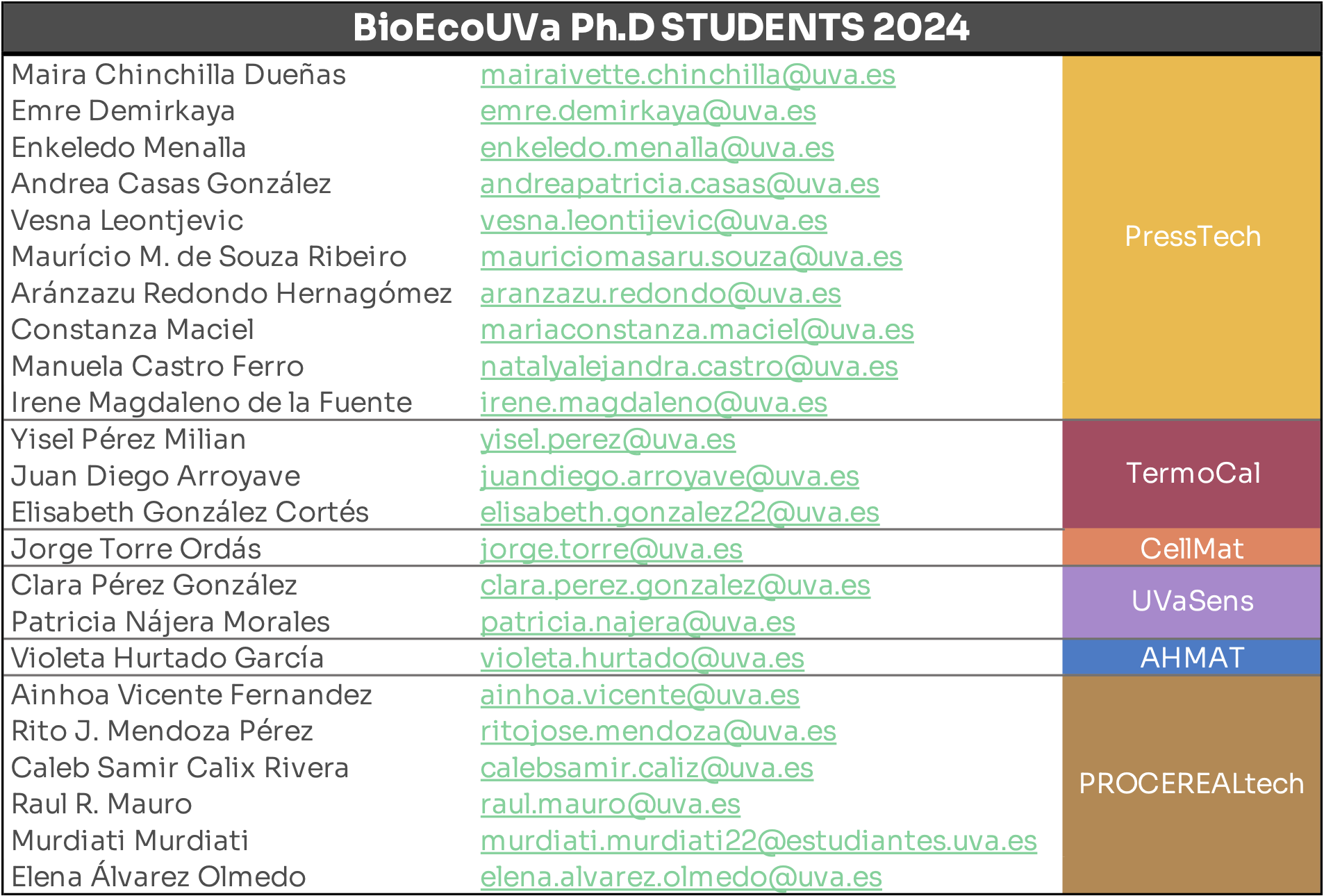
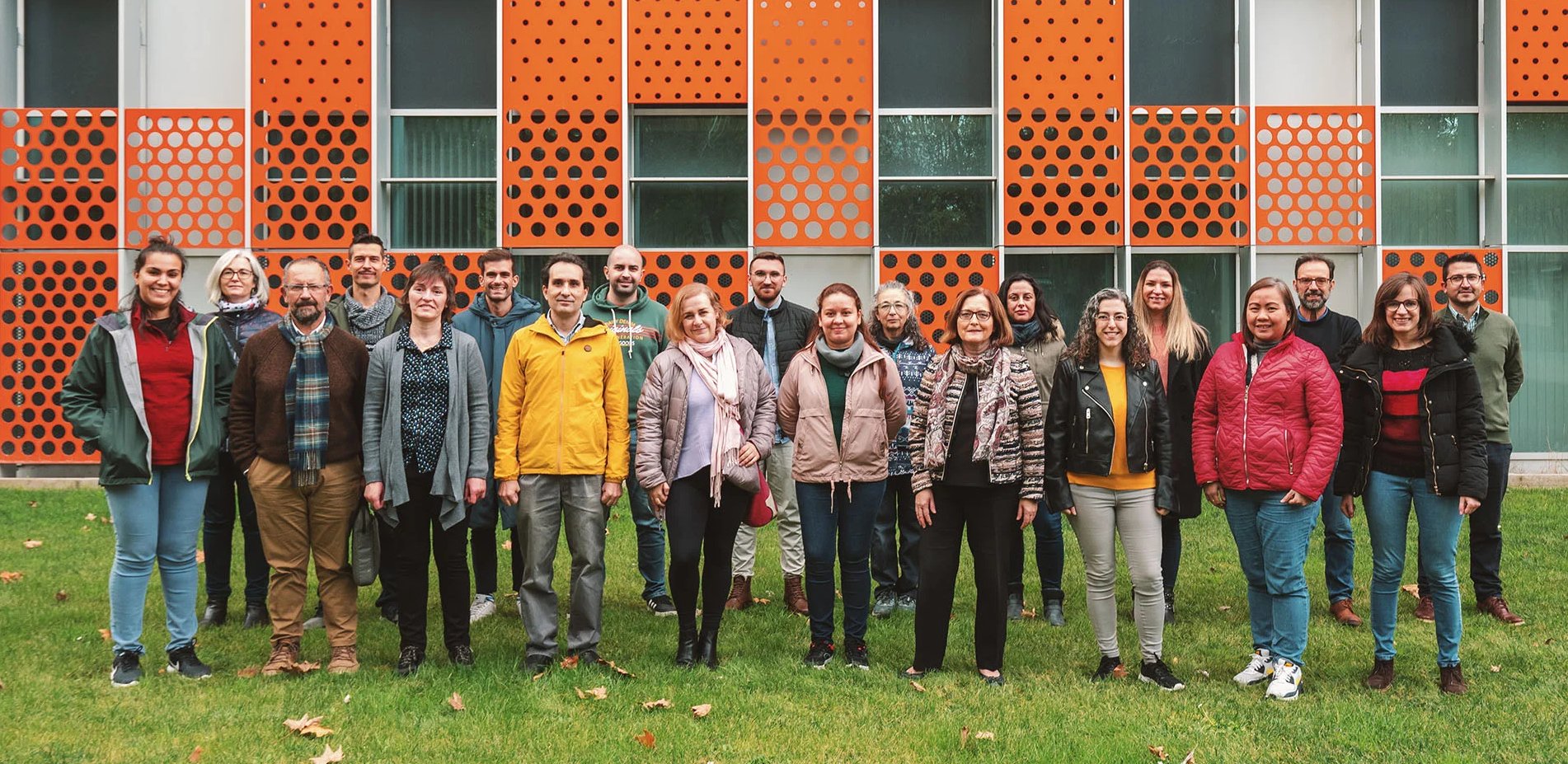
Meet the team
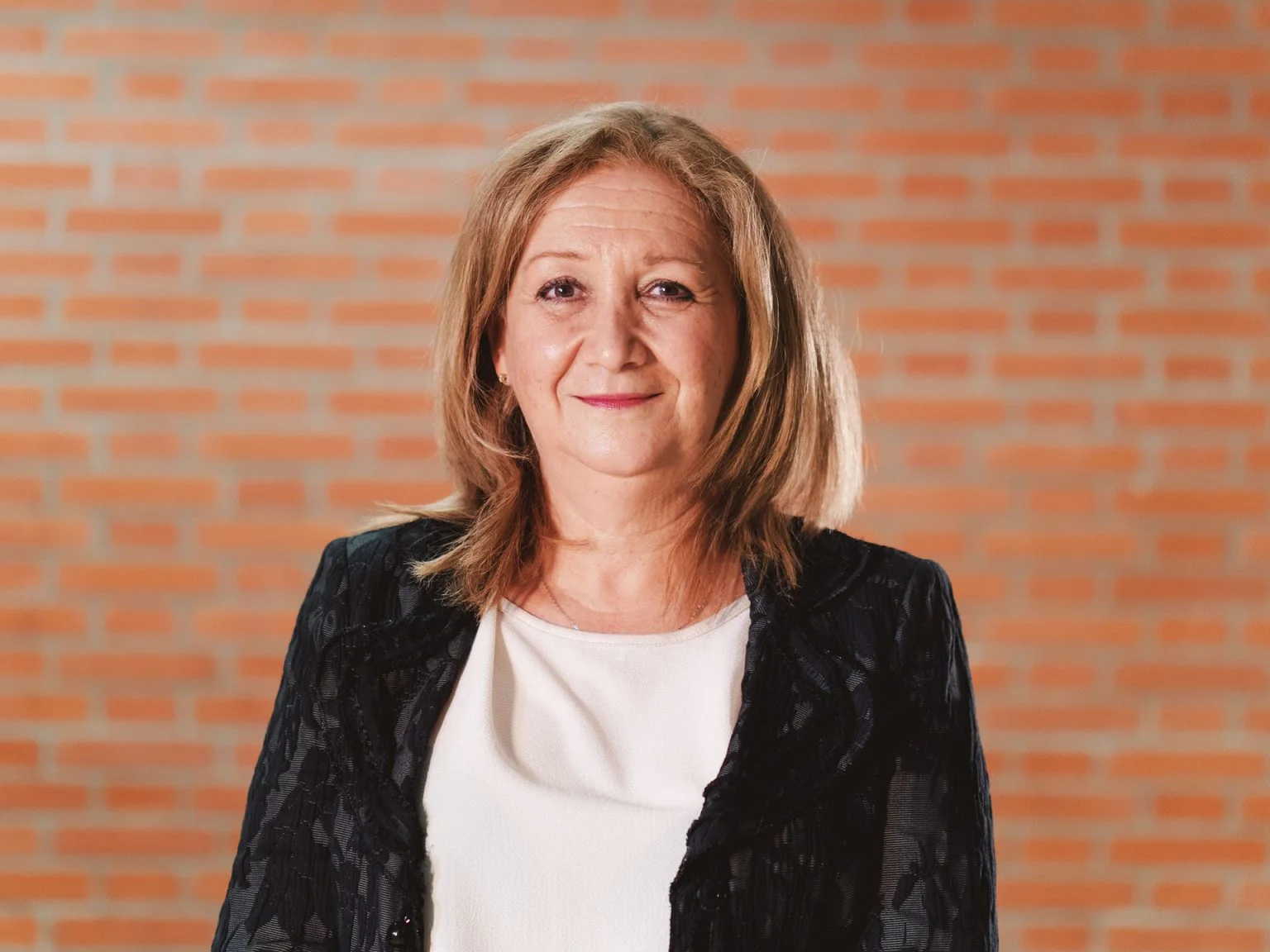
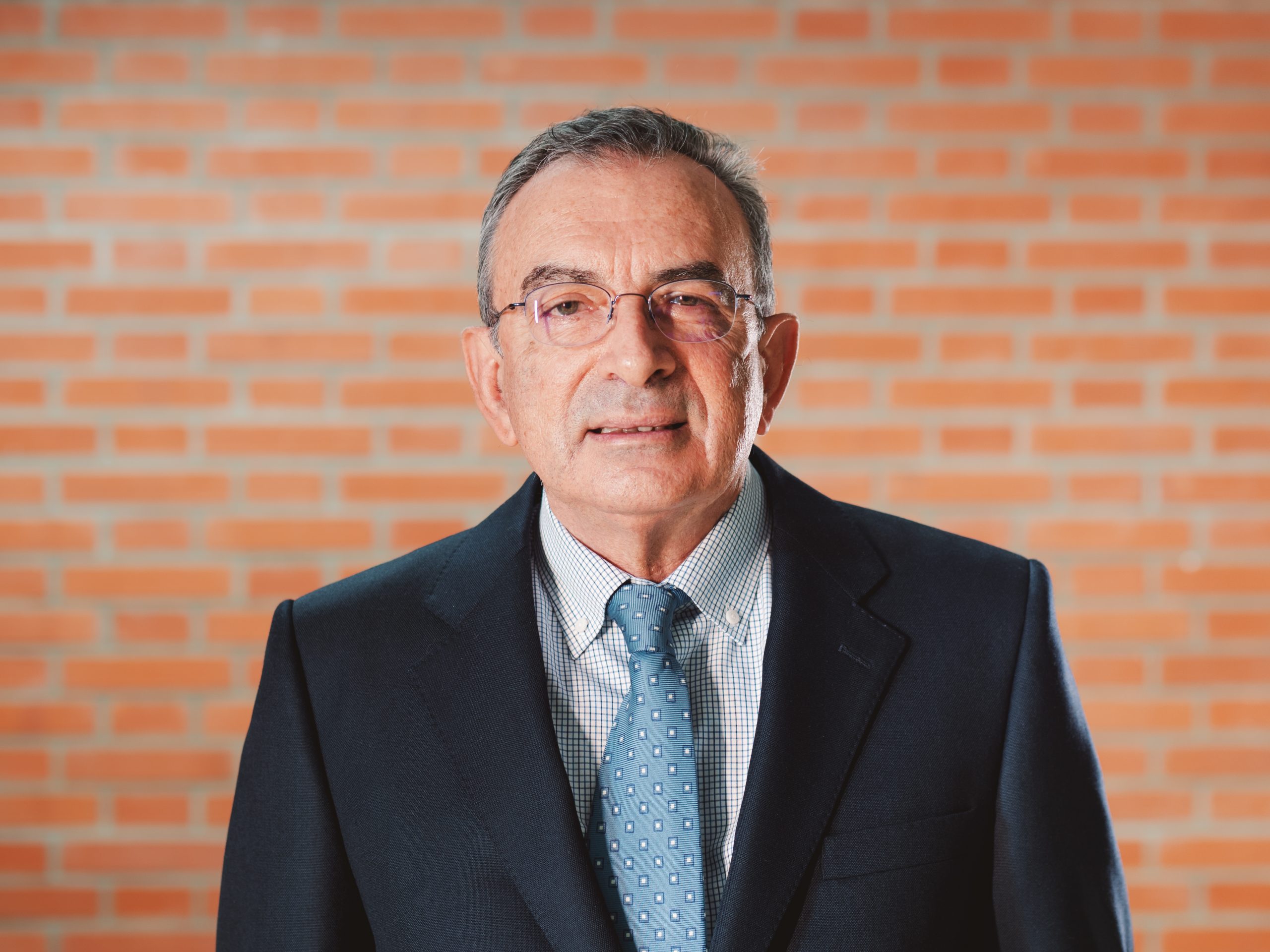
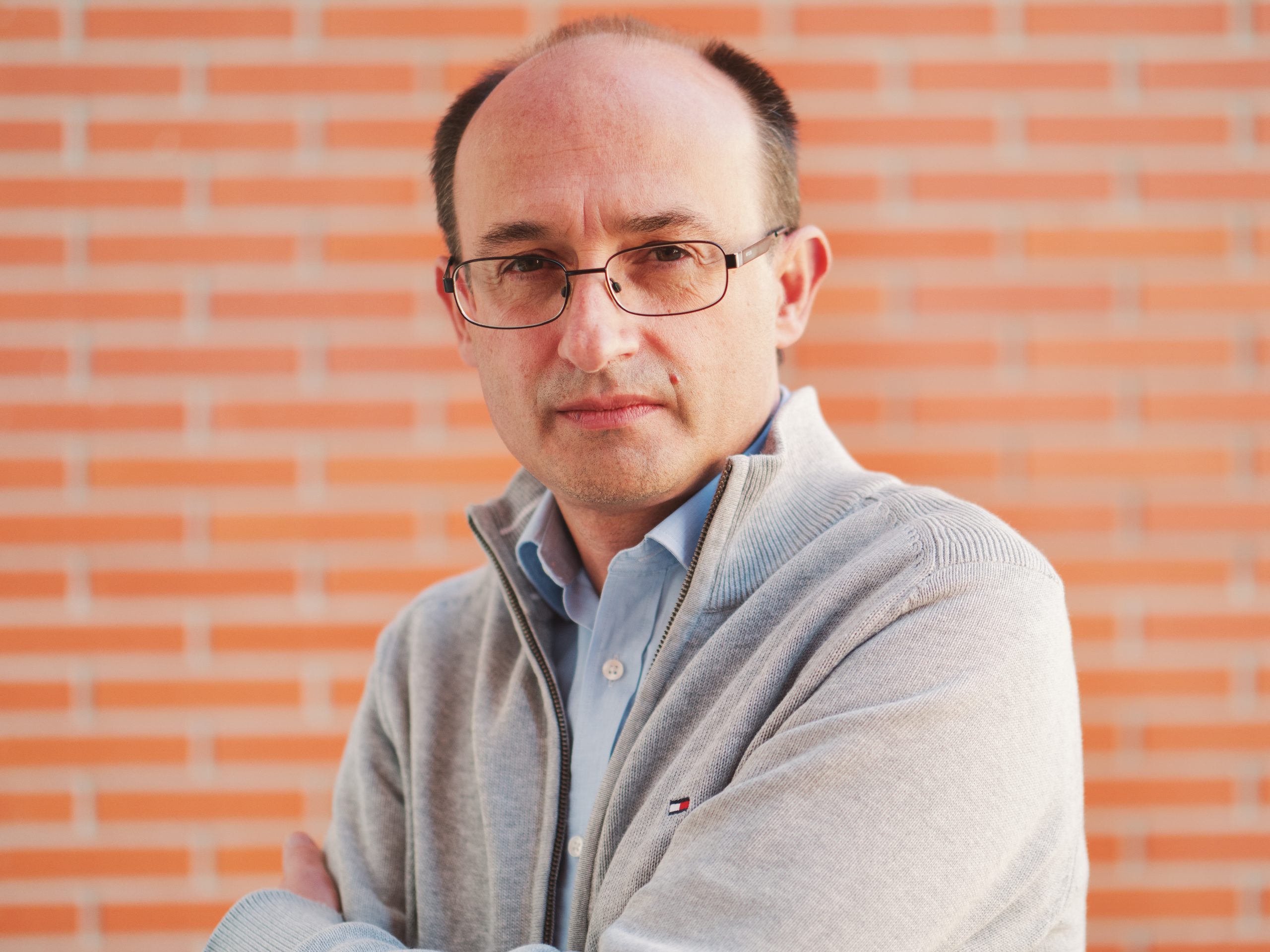
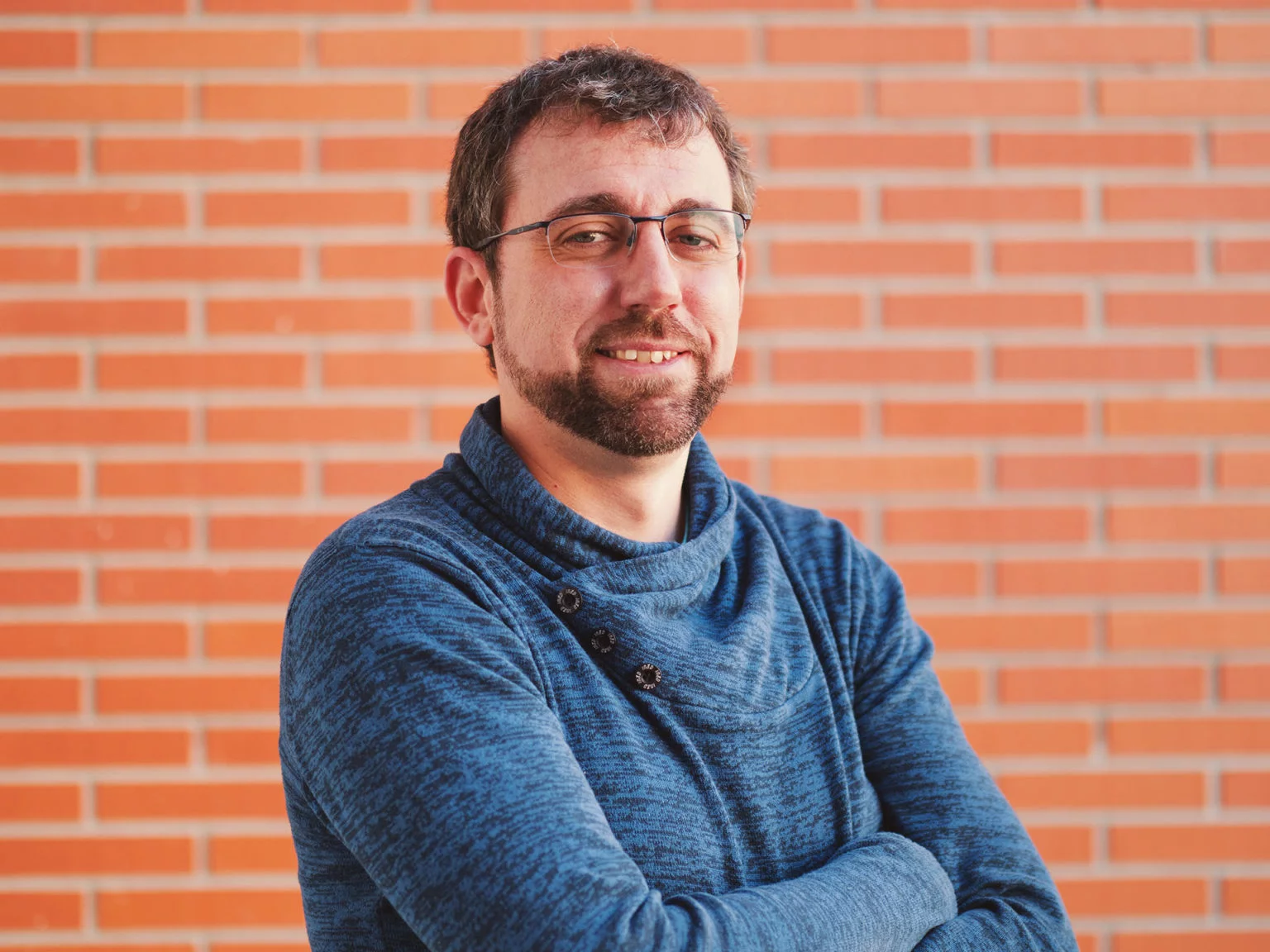
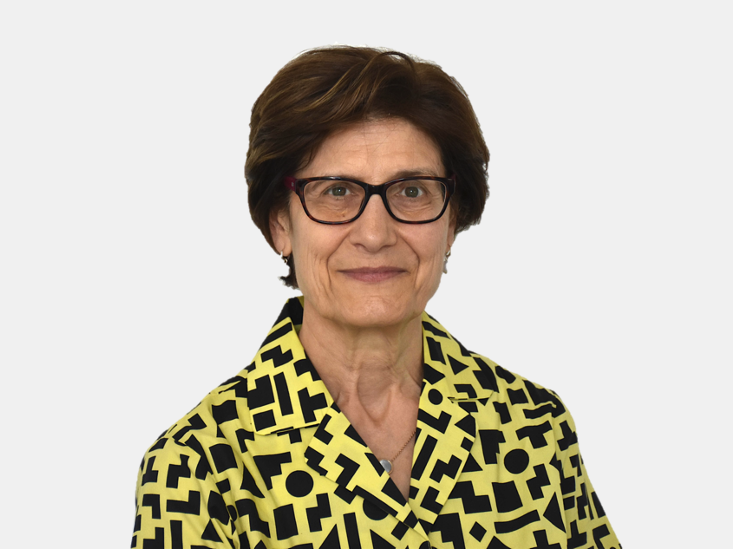
GROUP LEADERS
Our Projects
Projects are our primary reason for being and our motivation, supported by major entities at the local, national, and European levels.
Strategic Research Programmes: BioEcoUVa Institute
BioEcoUVa is supported by the Regional Government of Castilla y León and co-financed by the European Regional Development Fund (ERDF) for the development of its strategic research programme during the 2025–2027 period.
The Institute of Bioeconomy of the University of Valladolid (BioEcoUVa) is carrying out the project “Strategic Research Programmes: BioEcoUVa Institute (BIOECOUVA)”, reference CLU-2025-2-05, funded by the Regional Government of Castilla y León, through the Department of Education, and co-financed by ERDF funds.
The programme runs from 17 July 2025 to 17 July 2027.
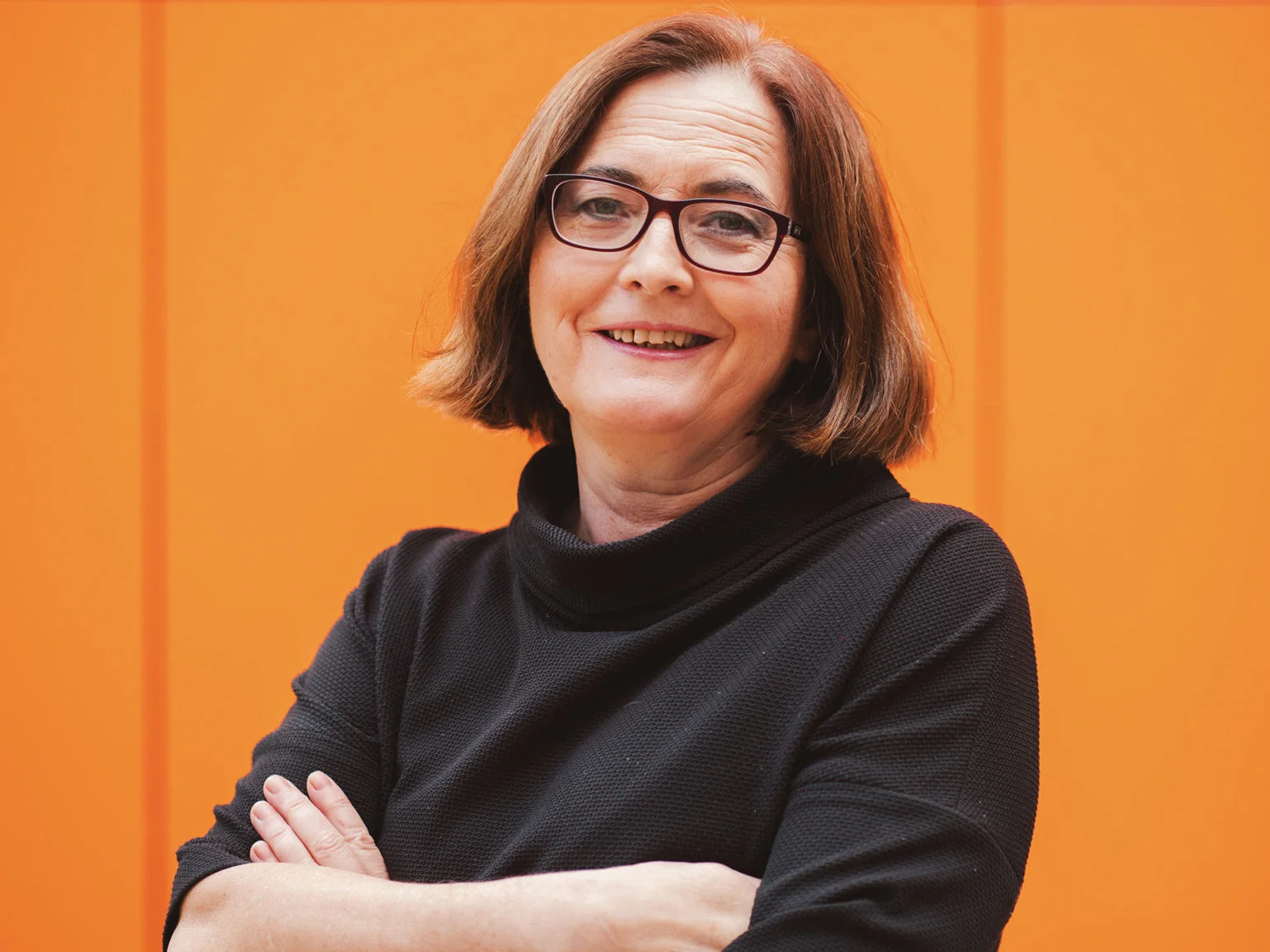
The project is led by María José Cocero Alonso and involves researchers and contracted staff working across different areas of activity within BioEcoUVa.
Project information
Reference: CLU-2025-2-05
Period: 17/07/2025 – 17/07/2027
Funding: €425,000
Institution: University of Valladolid (UVa)
Funding: Regional Government of Castilla y León – Department of Education, co-financed by ERDF
You can see the projects of each investigation team by clicking on the following logos
Research areas

Decarbonization of the chemical industry and Hydrogen technologies
- Carbon capture and utilization
- Hydrogen technologies
- Decarbonization of nitrogen derivatives production
- Decarbonization techniques for petroleum derivatives production
- Process systems engineering for sustainability
Biorefineries
- Development of integrated biorefineries based on pressurized water and temperature.
- Intensification of processes to implement new technologies for the valorization of raw materials and waste.
- Hydrolysis and conversion of biomass into sub- and supercritical water.
Metrology and determination of properties
- Scientific metrology for sustainable energy systems
- Development of experimental techniques to improve material characterization capabilities for energy transition.
Materials technology
- Development of bio-derived polymers and microcellular biopolymers
- Aerogels and scaffolds for controlled delivery of active compounds
- Catalysts to improve selectivity in the transformation of biomass into chemical compounds
Sensors y biosensors
- Development of sensors and biosensors for the analysis of products and waste of industrial interest.
- Development of sensor arrays, forming electronic tongues (e-tongues).
Food quality and technology
- Characterization of ingredients and products
- Physical modification of flours/grains
- Design of products with high sensory and nutritional quality based on cereals/grains.
Archaeometry and heritage preservation and valorization
- Archaeometry
- Archaeology and history
- Preservation of historical and environmental heritage
- Development of functional materials
- Heritage and environmental education